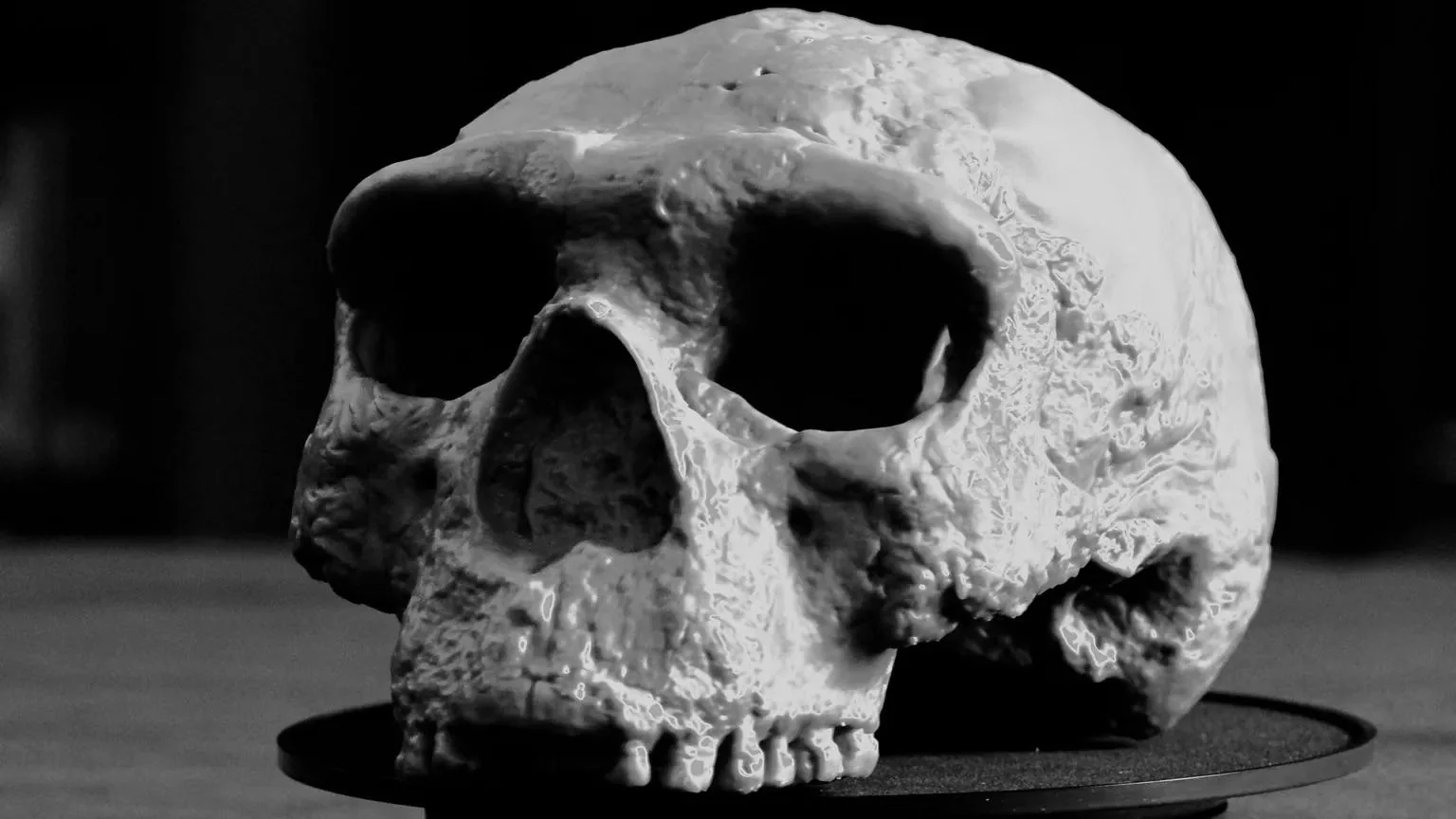

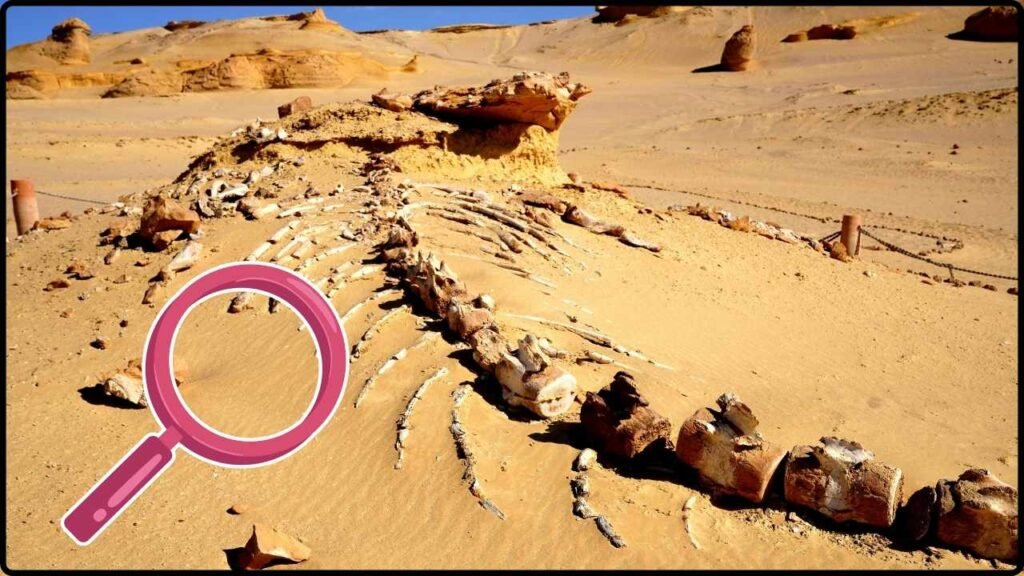
Unexpected Inland Whale Fossils Discovered: Unexpected Inland Whale Fossils Discovered During Mammoth Research has quickly become one of the most talked-about paleontology stories in Alaska and across the United States. What began as routine mammoth research in Interior Alaska turned into a scientific curveball that reshaped assumptions about fossil identification, museum collections, and even Indigenous trade history. Out near Fairbanks — nearly 400 kilometers (about 250 miles) from the nearest coastline — researchers were examining large bones long believed to belong to the mighty woolly mammoth. For decades, these fossils sat in museum collections, cataloged as Ice Age megafauna. But when modern testing methods were applied, the results told a completely different story. Instead of mammoths, scientists discovered the remains of two whale species. Now, if you’re a kid reading this, here’s the simple version: scientists thought they had found ancient elephant-like creatures. But after testing, they realized the bones came from giant sea animals instead. That’s like thinking you found a cowboy boot and later learning it belongs to a scuba diver. Same size, totally different world.
Table of Contents
Unexpected Inland Whale Fossils Discovered
Unexpected Inland Whale Fossils Discovered During Mammoth Research stands as a powerful example of scientific integrity, interdisciplinary collaboration, and the importance of re-examining historical collections. What appeared to be evidence of late-surviving mammoths turned out to be whale remains transported or misidentified decades ago. Through radiocarbon dating, isotope analysis, and DNA sequencing, researchers clarified the truth. The discovery reinforces established extinction timelines, highlights conservation concerns for endangered whales, and reminds us that science evolves with better tools and open minds.
| Topic | Details |
|---|---|
| Discovery Location | Interior Alaska near Fairbanks (approx. 400 km inland) |
| Originally Identified As | Woolly Mammoth fossils |
| Actual Identification | North Pacific Right Whale & Minke Whale |
| Radiocarbon Age | ~1,900–2,700 years old |
| Mammoth Mainland Extinction | ~10,000 years ago |
| Methods Used | Radiocarbon dating, DNA sequencing, Stable isotope analysis |
| Research Institution | University of Alaska Museum of the North |
| Whale Conservation Status | North Pacific right whale critically endangered (NOAA estimate <50 individuals in eastern population) |
| Official Marine Authority | National Oceanic and Atmospheric Administration (NOAA) |
The Original Mammoth Assumption
Alaska is prime territory for mammoth fossils. During the Ice Age, vast herds of Mammuthus primigenius roamed the tundra. Permafrost has preserved countless remains, making Alaska one of the richest mammoth fossil sites in North America.
According to the Smithsonian National Museum of Natural History, mammoths disappeared from mainland North America around 10,000 years ago, near the end of the last Ice Age. That extinction timeline is widely accepted in scientific literature.
So when large vertebrae were discovered in Interior Alaska decades ago, labeling them as mammoth bones made sense at the time. Big bones in Alaska? Mammoth seemed like the safe bet.
But science doesn’t stop at safe bets.
Unexpected Inland Whale Fossils Discovered: The Radiocarbon Surprise
Fast forward to modern research. Scientists involved in re-examining museum specimens decided to perform radiocarbon dating on the bones.
Radiocarbon dating measures the decay of carbon-14 isotopes to estimate age. The U.S. Geological Survey (USGS) explains that this method is reliable for organic material up to about 50,000 years old.
The test results came back showing the bones were only 1,900 to 2,700 years old.
That raised eyebrows across the lab.
If mammoths went extinct roughly 10,000 years ago in mainland Alaska, how could these bones be only 2,000 years old?
At first glance, some might have wondered whether this discovery suggested mammoths survived longer than we thought. That would have been groundbreaking. But responsible science means checking again before rewriting textbooks.
Isotope Analysis: The Marine Clue
The next step involved stable isotope analysis. Isotopes are chemical fingerprints embedded in bone tissue. Marine animals have different carbon and nitrogen isotope ratios compared to land animals.
The isotope signatures in these fossils showed clear marine characteristics.
That was the first strong indication that these bones did not belong to land-dwelling mammoths.
For professionals in paleontology and archaeology, isotope analysis is an essential cross-check. It helps distinguish diet and habitat. In this case, the isotopes pointed to ocean feeding patterns — not tundra grazing.
DNA Testing Confirms the Truth
The final and most definitive test involved DNA sequencing.
Genetic material extracted from the fossils matched:
- North Pacific Right Whale (Eubalaena japonica)
- Minke Whale (Balaenoptera acutorostrata)
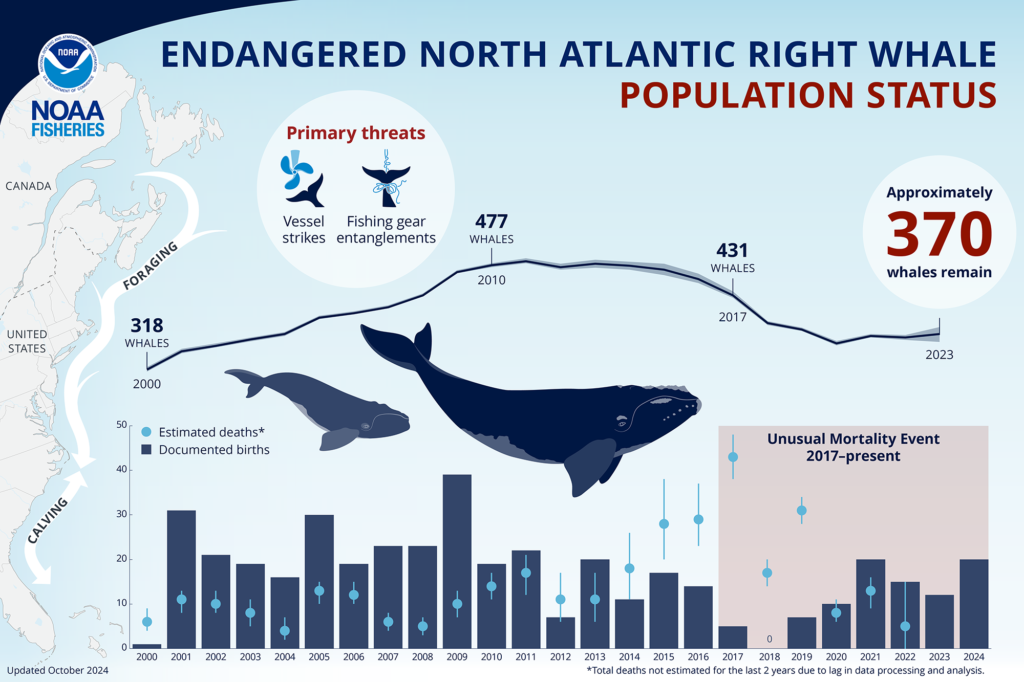
According to the National Oceanic and Atmospheric Administration (NOAA), the North Pacific right whale is critically endangered, with fewer than 50 individuals estimated in the eastern North Pacific population.
The minke whale, while more common, is still closely monitored under U.S. marine protection laws.
DNA testing left no room for doubt. The fossils were whales.
How Did Whale Bones End Up So Far Inland?
Now here’s where things get fascinating.
Interior Alaska is nowhere near saltwater. So how did whale bones end up 400 kilometers inland?
There are three leading explanations.
Indigenous Transport and Cultural Use
Indigenous Alaskan communities have deep, longstanding relationships with marine life. Whale bones have historically been used for tools, housing supports, art, and ceremonial objects.
Archaeological evidence documented by the National Park Service confirms extensive coastal whaling traditions among Alaska Native peoples.
It is entirely possible that whale bones were transported inland through seasonal travel or trade networks.
Trade Networks Across Alaska
Pre-contact Indigenous trade routes spanned hundreds of miles. Items like obsidian, shells, and marine materials moved across vast regions.
Professional archaeologists know these trade networks were sophisticated and far-reaching. Whale bone could have traveled inland as part of these exchanges.
Museum Cataloging Errors
Another possibility is mislabeling decades ago. Many fossil collections were gathered in the early to mid-20th century, when documentation standards differed from today’s protocols.
Modern museum science emphasizes re-cataloging and verification. This case highlights why that work matters.
Why Unexpected Inland Whale Fossils Discovered Matters for Science?
Some folks might think, “So what? It’s just a labeling mistake.”
But it’s more than that.
First, it reinforces established mammoth extinction timelines. If these bones had truly been mammoths only 2,000 years old, it would have rewritten part of North American prehistory.
Second, it showcases how modern tools like DNA sequencing can correct older assumptions.
Third, it reminds professionals that even well-established collections require periodic review.
According to the American Museum of Natural History, re-examination of historical specimens has led to multiple scientific breakthroughs in recent decades.
Science evolves. Our understanding improves. That’s the process.
Lessons for Museum Professionals and Researchers
For those working in museums, universities, or research institutions, this case offers practical takeaways:
- Reassess legacy collections regularly.
- Use interdisciplinary testing methods.
- Maintain transparent documentation.
- Cross-reference radiocarbon results with isotope and DNA evidence.
- Collaborate with Indigenous communities for cultural context.
In today’s research environment, multidisciplinary approaches are no longer optional — they are essential.
Conservation Implications
The identification of a North Pacific right whale fossil inland also connects to modern conservation challenges.
NOAA estimates that the eastern North Pacific population includes fewer than 50 individuals. Ship strikes, fishing gear entanglement, and habitat disturbances continue to threaten recovery.
Understanding historical whale distribution — even indirectly — contributes to broader ecological modeling.
Every piece of data matters when species are hanging on by a thread.
Why Unexpected Inland Whale Fossils Discovered Story Resonates Across the United States?
Americans love mammoths. From museum exhibits to documentaries, the woolly mammoth captures the imagination.
But this story is a reminder that science isn’t about flashy headlines. It’s about careful verification.
It also underscores respect for Indigenous history. Whale bones inland may reflect human ingenuity, trade sophistication, and cultural resilience.
In a time when misinformation spreads fast, this discovery shows how patient, evidence-based research wins out.
Scientists Rethink How Life’s Basic Molecules First Formed
Scientists Challenge the Idea That Trees Can Sense Solar Eclipses
Scientists Identify a Previously Unknown Organ Hidden Behind the Human Nose
Broader Takeaway: Science Is Self-Correcting
Here’s the real lesson.
Science is not embarrassed by correction. It’s strengthened by it.
When new tools become available, responsible researchers revisit old evidence. That’s not weakness — that’s integrity.
From mammoth assumptions to whale confirmation, this case demonstrates the power of modern methods and collaborative expertise.
Sometimes the bones tell us something unexpected. And when they do, we listen.