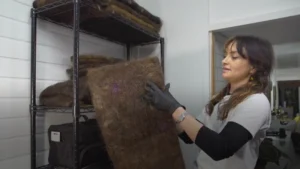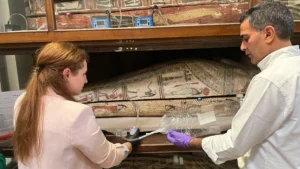

When most people imagine Ancient Egypt, they picture pyramids rising from the desert, golden burial masks, and walls covered in painted hieroglyphs. But history is not just something you see. It is something people once smelled, touched, and breathed in every day. That raises a fascinating question: what did Ancient Egypt really smell like? It may sound unusual at first, yet the answer opens an entirely new way of understanding this ancient civilization. In recent years, scientists and museums have begun reconstructing ancient scents using laboratory analysis and historical records. Their discoveries are changing the way we think about temples, tombs, and daily life along the Nile. If you are wondering what Ancient Egypt really smelled like, the answer is more complex and far more pleasant than you might expect. Modern research shows that Egyptian spaces were often filled with rich resins, floral oils, warm wood aromas, and sweet incense. Instead of the musty odor many people associate with mummies and tombs, the ancient world of Egypt likely carried layers of fragrance carefully chosen for religious, symbolic, and practical reasons. Understanding what Ancient Egypt really smelled like helps us connect with real human experiences rather than distant textbook descriptions.
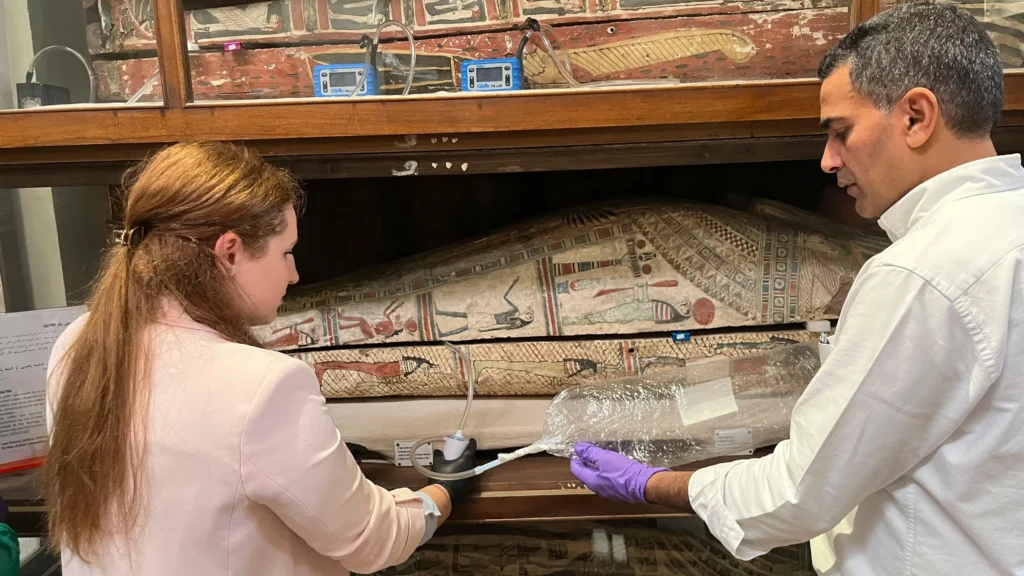
So what did Ancient Egypt really smell like in temples, homes, and burial chambers? Thanks to modern chemical testing, we now have clearer answers. Researchers use advanced techniques to study residue found in embalming jars, perfume containers, and even on linen wrappings from mummies. These methods allow scientists to identify traces of pine resin, cedar oil, myrrh, frankincense, beeswax, and plant-based oils that were used thousands of years ago. When recreated today, these blends produce aromas that are woody, slightly sweet, smoky, and surprisingly refined. In fact, many modern perfumers describe the recreated embalming balms as pleasant and sophisticated. Museums have begun introducing scent installations so visitors can experience these fragrances firsthand. This growing interest reflects a wider trend in museum design focused on immersive, sensory learning. People remember experiences better when multiple senses are involved, and scent is one of the most powerful triggers of memory. By exploring what did Ancient Egypt really smell like, historians are offering a deeper, more personal connection to the past.
Table of Contents
What Did Ancient Egypt Really Smell Like
| Category | Main Ingredients | Purpose | Modern Insight |
|---|---|---|---|
| Mummification Balms | Pine resin, cedar oil, myrrh, beeswax | Preserve the body and purify it for the afterlife | Confirmed antibacterial and protective properties |
| Temple Incense | Frankincense, myrrh, kyphi blend | Religious offerings and spiritual cleansing | Evidence of imported aromatic resins |
| Personal Perfumes | Lotus oil, moringa oil, cinnamon | Daily grooming and social identity | Residue found in cosmetic jars |
| Kyphi | Honey, wine, herbs, resins | Burned at sunset in temples | Detailed recipes preserved in inscriptions |
The Sacred Role Of Scent In Daily Life
- To truly understand what did Ancient Egypt really smell like, we need to look beyond royal tombs and into everyday routines. Scent was deeply connected to spirituality. Pleasant smells symbolized purity and divine favor, while unpleasant odors were associated with disorder and decay. This belief influenced how people bathed, dressed, and worshiped.
- Both men and women wore scented oils on their skin. These oils were not only cosmetic but practical. The Egyptian climate was dry and harsh, and perfumed oils helped protect the skin. Blue lotus oil created a light floral scent, while moringa oil had a mild nutty fragrance that absorbed easily into the skin. Even workers applied basic oils, though wealthier individuals had access to imported spices and exotic ingredients.
- Homes likely carried a blend of natural and human made scents. Freshly baked bread, beer brewing, and cooking grains would have created warm, earthy aromas. Open windows allowed in the smell of the Nile and surrounding vegetation. Markets must have been vibrant places filled with spices, incense resins, and plant oils from distant lands. The answer to what did Ancient Egypt really smell like is not a single scent but a layered mixture shaped by environment and culture.
The Science Of Mummification Aromas
- One of the strongest connections to what did Ancient Egypt really smell like comes from mummification practices. Preservation of the body was essential for the journey into the afterlife. Embalmers used carefully crafted mixtures designed to both protect and sanctify the deceased. Recent laboratory research confirms that pine resin and cedar oil were widely used. These substances slowed decomposition and created a strong, woody fragrance. Myrrh and frankincense added sweetness and spiritual symbolism. Beeswax sealed linen wrappings and contributed a faint honeyed undertone.
- When scientists recreated these embalming blends, the result surprised many people. The scent was not unpleasant or overpowering. Instead, it resembled high quality incense. This discovery challenges the common image of ancient tombs filled with decay. Early burial chambers likely smelled intensely resinous but intentionally sacred. Understanding what did Ancient Egypt really smell like through embalming practices also highlights the sophistication of Egyptian chemistry. These mixtures were not random. They were carefully measured combinations developed through generations of experience.
Kyphi: The Perfume of the Gods
No discussion of what Ancient Egypt really smelled like would be complete without kyphi. Kyphi was a sacred incense burned at sunset in temples. Ancient inscriptions describe detailed recipes that included honey, wine, raisins, cinnamon, juniper, and various resins. The preparation process was complex. Ingredients were mixed, ground, soaked, and aged before being formed into small pellets. When burned, kyphi released a layered fragrance. It began sweet and fruity, then deepened into smoky and spicy notes. Priests believed it purified temple air and honored the gods. Some ancient medical texts even suggest kyphi was used as a remedy to calm the mind and promote sleep. Modern recreations confirm that kyphi is rich and multi-dimensional, similar to luxury perfumes sold today. Its existence shows how advanced Egyptian fragrance knowledge truly was.
Trade Routes and the Global Scent Economy
- To fully grasp what did Ancient Egypt really smell like, we must consider the global trade networks that supplied many aromatic ingredients. Frankincense and myrrh were imported from regions believed to be near modern Somalia and Eritrea. Cedar oil came from Lebanon. Spices like cinnamon may have traveled through early long distance trade routes connecting Africa and Asia.
- These imports were not minor luxuries. They were central to religious ceremonies and royal burials. Expeditions were organized specifically to secure incense trees and rare resins. Wall carvings even depict ships returning with aromatic goods.
- Scientific analysis of residue confirms the foreign origin of many materials. Molecular signatures match plant species that did not grow naturally in Egypt. This trade network contributed to Egypt’s wealth and reinforced the cultural importance of fragrance. The answer to what did Ancient Egypt really smell like includes scents gathered from across continents.
Museums Recreating The Aroma Of The Afterlife
- In recent years, museums have embraced the idea of recreating ancient smells. By combining archaeological data with modern perfumery techniques, they have produced accurate representations of embalming balms and temple incense.
- Visitors can now smell recreated resins and oils as part of exhibitions. This sensory approach transforms the museum experience. Instead of simply observing artifacts behind glass, guests engage directly with a reconstructed atmosphere.
- Research shows that scent strengthens emotional memory. By exploring what did Ancient Egypt really smell like in a museum setting, visitors gain a more vivid and personal understanding of history. This trend reflects a broader movement toward immersive storytelling in cultural institutions.
What The Tomb Of A Pharaoh Might Have Smelled Like
Imagine standing at the entrance of a newly sealed royal tomb. The air inside would likely feel heavy and still. The dominant scent would come from pine resin, cedar oil, and myrrh soaked into linen wrappings. There might also be lingering traces of incense burned during final rituals. Rather than decay, the overall impression would probably be warm, smoky, and slightly sweet. The fragrance symbolized transformation and divine acceptance. For ancient Egyptians, smell carried meaning. A pleasant scent indicated spiritual readiness for eternity. Understanding what did Ancient Egypt really smell like in burial spaces changes how we visualize those moments. The atmosphere was crafted carefully, not left to chance.
The Cultural Meaning Of Good And Bad Smells
- In Egyptian belief systems, pleasant smells represented order and goodness. Foul odors symbolized chaos and corruption. This symbolic divide shaped daily habits and moral language.
- Bathing regularly and applying perfumed oil were acts of devotion. Burning incense was not only ritual practice but also a way of aligning the environment with divine order. Even written language reflected this connection between scent and virtue.
- By examining what did Ancient Egypt really smell like, we also learn how ancient Egyptians defined purity, health, and morality. Fragrance was more than decoration. It was a statement about identity and belief.
A New Way To Experience History
- The effort to uncover what did Ancient Egypt really smell like is reshaping modern archaeology. Scent provides evidence about trade, technology, religion, and everyday life. It makes the past feel tangible rather than abstract.
- The world of Ancient Egypt likely carried the smell of river water, sun warmed stone, fresh bread, floral oils, and imported incense. It was a sensory landscape far richer than most people imagine.
- As museums continue recreating these ancient aromas, they invite us to experience history differently. Instead of seeing the past as silent and distant, we begin to understand it as lived and breathed. The question what did Ancient Egypt really smell like may seem simple, but it opens the door to a deeper, more human understanding of one of the most fascinating civilizations in history.
FAQs on What Did Ancient Egypt Really Smell Like
1. What did Ancient Egypt really smell like inside tombs?
Tombs likely carried strong scents of pine resin, cedar oil, myrrh, and beeswax used in embalming. These created a woody, incense like aroma rather than a foul smell.
2. Did Egyptians use perfume every day?
Yes. Both men and women applied scented oils for hygiene, protection from the climate, and religious symbolism.
3. What was kyphi used for?
Kyphi was a sacred incense burned in temples at sunset. It was believed to purify the air and honor the gods.
4. How do scientists know what Ancient Egypt really smelled like?
Researchers analyze chemical residues in jars, mummies, and textiles using advanced laboratory techniques to identify ancient ingredients.